
Preschool
Daily routine for preschool age children (2-year-olds through Pre-K) call for a more predictable yet flexible schedule. With growing independence and mastery of new skills, children can make choices and follow their own interests while feeling comfortable within the secure framework of a schedule.
-
Each morning, our dedicated staff at our preschool, warmly greet children individually, ensuring a welcoming and supportive start to their day. They take time to connect with parents, perform detailed health checks, and assist in organizing children’s personal belongings. Daily routines like hand washing and breakfast provide structure, while a variety of engaging, age-appropriate activities keep children entertained and eager as they wait for their peers to arrive. Our nurturing approach helps every child feel at ease and ready for a day of fun and learning.
-
This time is designed for the entire homeroom class at our preschool to be warmly welcomed and smoothly transition into the day’s exciting activities. Group activities such as cheerful songs, engaging finger plays, or captivating stories set the tone for the day. These moments also offer an excellent opportunity for caregivers and children to connect with the group, fostering a sense of community and belonging. Caregivers introduce the themes, lessons, and activities planned, helping children feel prepared and enthusiastic about what lies ahead. By creating a supportive and interactive environment, we ensure every child feels involved, valued, and ready to explore the day’s learning adventures.
-
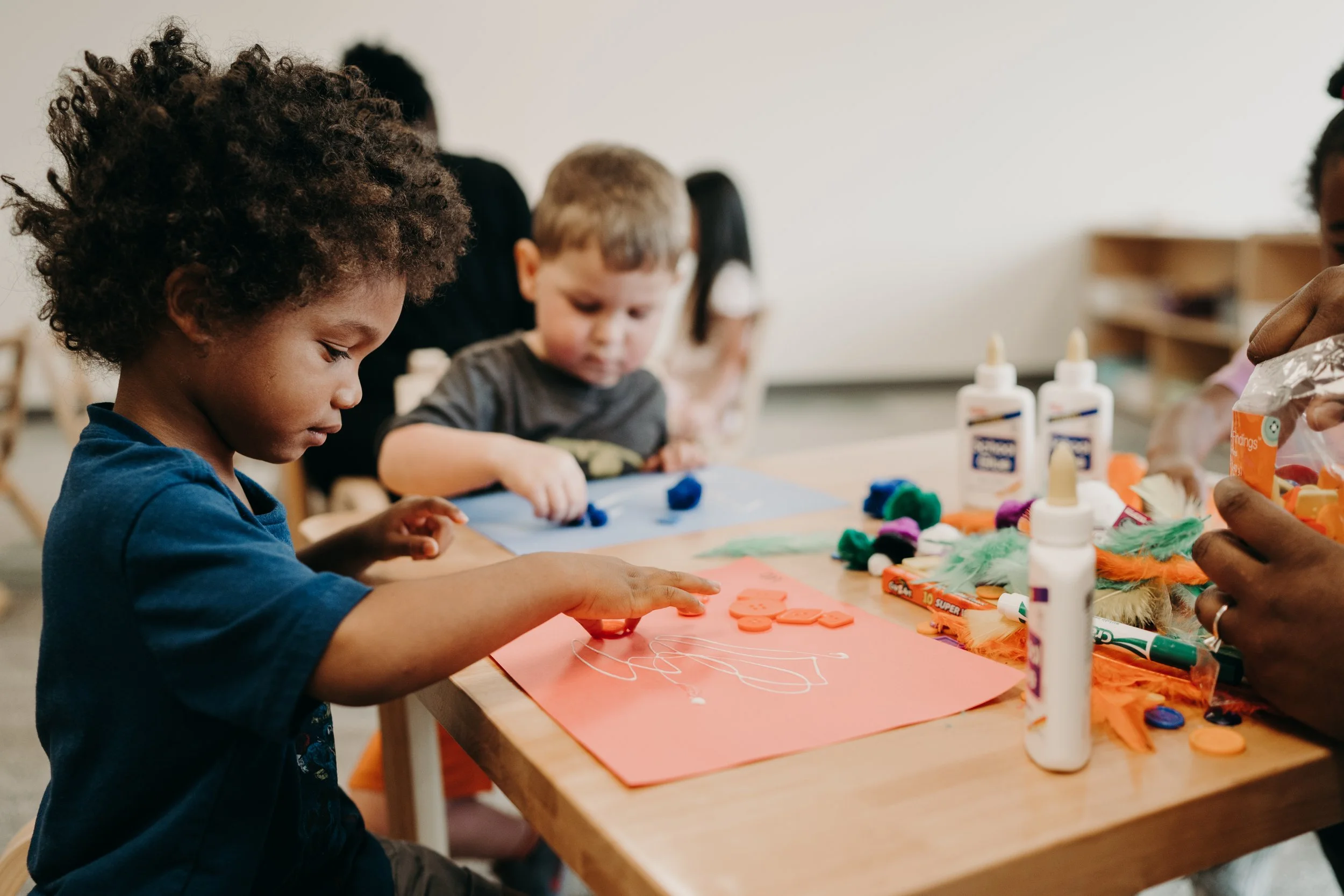
At Victory Christian Learning Center, a diverse range of carefully planned activities is incorporated into the curriculum to support every child’s growth and development. These activities are thoughtfully scheduled, enabling children to rotate through various centers, hands-on activities, and enrichment rooms designed to engage their curiosity and creativity. Some activities are conducted in small groups, fostering teamwork, communication, and social skills, while others are tailored as individual tasks to encourage independence and self-paced learning. From creative art projects to sensory exploration and problem-solving games, each activity is crafted to inspire joy, learning, and discovery while providing children with a well-rounded educational experience.
-
This special time is designed for children to come together as a group, fostering a sense of community and connection. It provides an opportunity to reflect on and review the morning’s engaging activities, reinforcing the lessons and experiences they’ve shared. By discussing what they’ve learned, children enhance their communication and listening skills while building confidence in expressing their thoughts. This group interaction also helps them develop important social-emotional skills, such as cooperation and respect for others’ ideas. Our nurturing approach ensures every child feels included, valued, and excited about their ongoing learning journey.
-
Children actively practice important self-help skills during clean-up, hand washing, and snack preparation, fostering independence and confidence. Snack preparation is incorporated as part of the homeroom learning center activities, within our cooking enrichment environment, or during family-style dining. These experiences not only teach valuable life skills but also create opportunities for teamwork and collaboration among peers. Often, snack preparations are tied to thematic or curriculum-based lessons, allowing children to connect hands-on activities to what they’re learning in class. Whether measuring ingredients, setting the table, or discussing healthy food choices, these activities help children develop fine motor skills, enhance cognitive abilities, and build a positive relationship with food and nutrition.
-
Dedicated time is provided after meals, napping, and before outdoor play for toileting and hand washing. These routines are always available as needed, promoting good hygiene habits and ensuring children feel clean, refreshed, and comfortable throughout their day.
-
Outdoor materials and activity centers are thoughtfully prepared to provide children with a variety of engaging choices. Ample time is dedicated to free, active play, allowing kids to explore, socialize, and develop physical skills in a safe and stimulating environment.
-
Family-style dining offers children a wonderful opportunity to develop self-help skills, such as serving themselves and cleaning up, while also learning essential table manners. This approach encourages informal conversations, fostering social interaction and communication skills among peers and teachers. Beyond mealtime, this period provides spontaneous teaching moments, allowing educators to incorporate lessons on nutrition, sharing, and cooperation. Meal preparations often connect directly to the curriculum, reinforcing educational themes in a hands-on, engaging way. Whether discussing food origins or practicing counting while serving, family-style dining nurtures a sense of community and supports holistic development in a warm, supportive environment.
-
Time is set aside for children to rest and recharge, with the duration adjusted based on their age. For children who do not sleep, quiet individual activities are offered in a separate area to ensure a peaceful environment while others rest comfortably.
-
Snack time is thoughtfully scheduled to follow rest time or later in the afternoon, providing children with the nourishment they need to stay energized and focused for the remainder of their day.
-
Time is allowed for children to choose individual activities as others are waking.
-
In the afternoon ample time is dedicated to free, active play, allowing kids to explore, socialize, and develop physical skills in a safe and stimulating environment. This time may be reversed with afternoon group time based on the flow of the class each day.
-
This time may be reversed with the afternoon outdoor play and serves as a transition to or from outdoor play and into informal afternoon activities.
-
Time is planned for individual activity choices, time in learning centers, and/or enrichment areas.
-
Activities are confined to a few areas in the homerooms to allow staff to care for children, talk with parents, and to gather things to take home.